
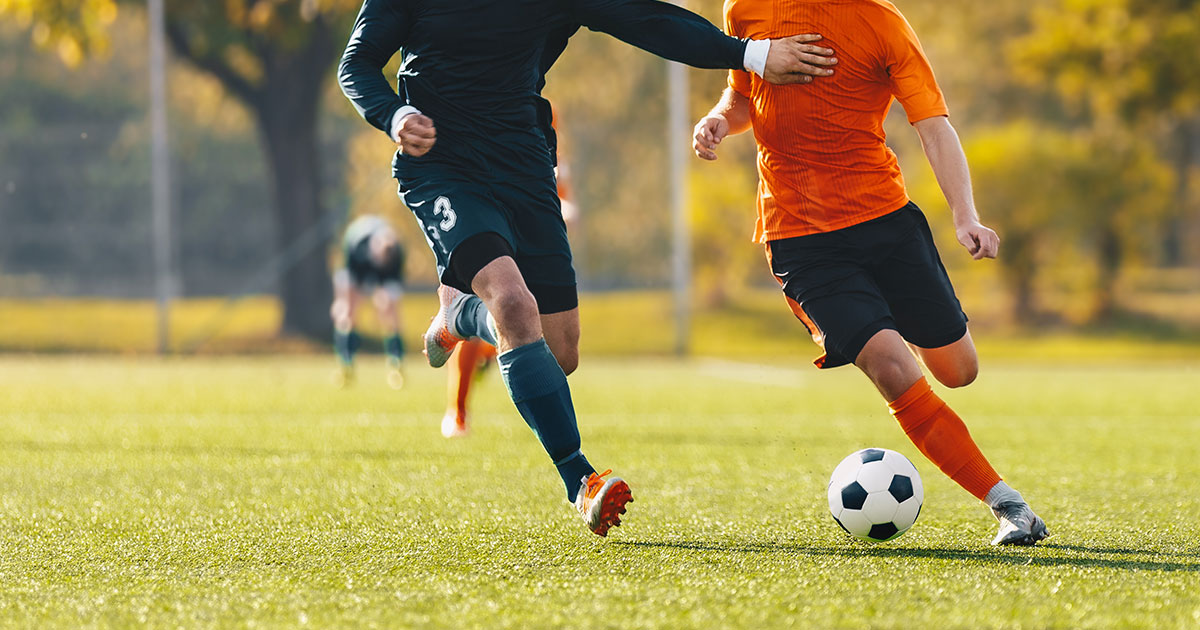
As parents, we often sit in the stands watching and anticipating the next great move from our children, who participate in organized sports, while simultaneously fearing the very real possibility of physical and/or emotional injury. Nine out of ten parents fear for their children’s safety during sport’s participation.¹ According to the Youth Sports Safety Alliance, more than 46.5 million children participate in sports each year in America; of these, 7.8 million are high school athletes.² A student who participates in just one sport each year has a 50% increased risk of injury. In the U.S., youth athletes visit an emergency room every 3 minutes for a concussion.¹
As we ponder the risks of sport’s injuries, we must also take into consideration the benefits of allowing our children to participate in organized sports. Below is a list of beneficial reasons for children to participate in organized sports:¹
Positive health benefits
- Builds healthy bones, muscles, and joints
- Reduces weight and body fat
- Prevents or delays chronic disease, including 13 different cancers
Important predictor of young adults’ participation in physical fitness activities/sports
- Adolescents who participate in organized sports are 8x more likely to remain active at 24 years of age and 77% will remain active beyond 30 years of age
Helps children develop and improve cognitive skills
- Improved grades and standardized test scores and improved attitudes, concentration, attention, and behavior
Increases the likelihood of attending college, earning degrees, and being successful in their careers
Positive impact on personal development
- Promotes self-esteem, leadership, and motivation
- Coaching plays a vital role in promoting positive outcomes
Reduced risk of being sexually active, using drugs, and suffering from depression among female athletes
Perspective of parents
- Improved health, discipline, socialization, mentality, relationship-building, future success of their children
Just as there are risks to allowing children to participate in organized sports, there are risks to not allowing them to participate. Children who do not participate in organized sports are less likely to be active adults, leading to overweight/obesity, chronic disease, and premature death.¹ Research indicates children who do not participate in organized sports or who are physically inactive often are less disciplined, have poorer self-esteem, score lower in class and on standardized testing, are more likely to become involved in substance use, and less likely to live active, healthy adult lives than children who participate in organized sports.¹
The U.S. Surgeon General recommends that children get at least 60 minutes of exercise per day, but fewer than half do.³ Now that we know the risks and benefits of allowing our children to participate in organized sports and we understand the recommended amount of exercise they need on a daily basis, let’s discuss ways in which we can promote participation and prevent injury. Prevention of injury is key because previous injury is frequently a risk factor for future injury.² Student athletes with a history of one or more injuries are 2-3x more likely to sustain further injury, compared to student athletes who do not have a history of previous injury. We must, as parents, teachers, health care workers, and community members, put our best foot forward in creating a culture of sports safety.

How adults can involve all children while creating a sport’s culture of safety³
Getting children involved:
- Know your children and understand their needs, especially those who do not participate
- Embrace a model of sports that encourages all children to participate
- Give children the opportunity to try their best
- Empower the children’s voice when designing sports programs
- Reintroduce casual, unstructured play as a foundational experience
- Develop more sports options for kids
- Be creative, use small spaces to create small-sized courts or play areas
- Involve kids and develop frameworks that are kid-sized, recognizing that they are not miniature adults
Creating a culture of safety:
- Train all coaches in effective motivational technique, safe practice/play, and how to communicate with youth athletes
- Ensure children receive comprehensive sports exams from trained health care professionals
- Ensure that children take at least one day off per week⁴
- Ensure that children are wearing the appropriate protective equipment
- Strengthen bones and muscles, improve flexibility
- Reinforce proper technique during practice and play
- Enforce strict rules that pertain to prevention of injury
- Stop participation if a child develops pain or injury; avoid playing in excessive temperatures
©2022HealthSpot References: (1) The Aspen Institute. (2015). Facts: Sports activity and children. Retrieved from http://www.aspenprojectplay.org/the-facts (2) Youth Sports Safety Alliance. (n.d.) Youth Sports Safety Alliance statistics. Retrieved from http://youthsportssafetyalliance.org/sites/default/files/Youth%20Sports%20Safety%20Statistics_0.pdf (3) Troiano, Richard P. et al., “Physical Activity in the United States Measured by Accelerometer,” Journal of the American College of Sports Medicine, 40(1): 181–188, 2010. (4) American Academy of Pediatrics. (2016). 2016 sports injury prevention tip sheet. Retrieved from https://www.aap.org/en-us/about-the-aap/aap-press-room/news-features-and-safety-tips/Pages/Sports-Injury-Prevention-Tip-Sheet.aspx