
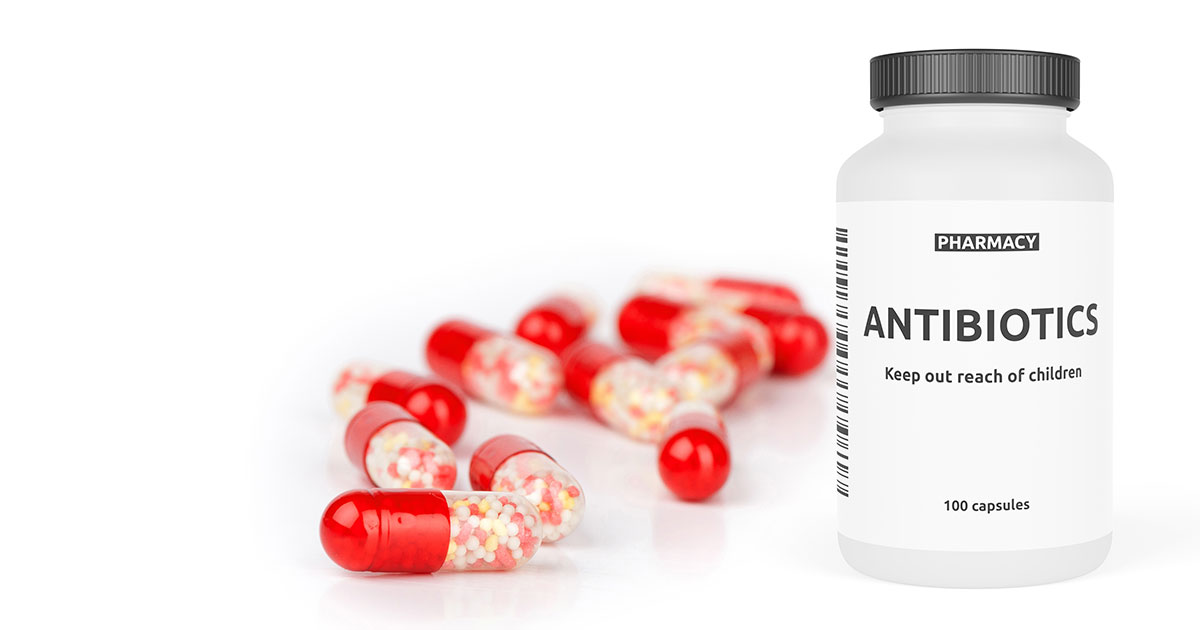
Prior to the late 1930’s, before antibiotics were discovered and available for use, if you got an infection, it could easily mean death or severe impairment. Now, in a time where antibiotics are easy to obtain and access to healthcare is readily accessible, it is hard to imagine a world where simple infections could kill and injure. That was the reality prior to antibiotics less than 100 years ago, when life expectancy was much lower. The available antibiotics we currently have are starting to fail and returning to a time before antibiotics is becoming more and more of a threat to everyone because of antibiotic resistance.
So, what exactly is antibiotic resistance? Antibiotic resistance is when bacteria develop the ability to defeat the drugs designed to kill them. When an antibiotic is taken, sometimes the bacteria is able to adapt and change its structure enabling it to survive and become more dangerous and harder to kill. Antibiotics also kill helpful bacteria which allows the harmful bacteria to thrive in some instances, putting that person at more risk. It is very important to understand that it is not only the person taking the antibiotic who is at risk. These newly changed and more dangerous bacteria are now able to spread to other people as well. Infections caused by antibiotic-resistant bacteria are difficult and sometimes impossible to treat. Some resistant germs can also give their resistance directly to other bacteria, compounding the problem. Antibiotics used in animals and in agriculture are also contributing to antibiotic-resistance. So, while antibiotics have saved many lives, the more we use them, the more antibiotic resistance is worsening (CDC, 2020).
At least 2.8 million people in the United States are infected with antibiotic-resistant bacteria or fungi, and more than 35,000 people die because of it annually. The World Health Organization (WHO) has declared antibiotic/antimicrobial resistance a major world threat. At the world health assembly in 2015, a global action plan on antimicrobial resistance, including antibiotic resistance, was approved. Antibiotic resistance threatens people of all ages, as well as the healthcare, veterinary, and agriculture industries, making it one of the world’s most urgent public health problems (WHO, 2021).

When infections can no longer be treated by first-line antibiotics, more expensive and more toxic medicines must be used. A longer duration of illness and treatment, often in hospitals, increases health care costs as well as the economic burden on families and societies. While there are some new antibiotics in development, none of them are expected to be effective against the most dangerous forms of antibiotic-resistant bacteria (WHO, 2021).
Antibiotic resistance is putting the achievements of modern medicine at risk. Without new antibiotics, common infections and minor injuries could become life-threatening and major surgeries and treatments like chemotherapy impossible because the treatments we have been using for years are no longer effective. Many medical advances are dependent on the ability to fight infections using antibiotics, including joint replacements, organ transplants, cancer therapy, and treatment of chronic diseases like diabetes, asthma, and rheumatoid arthritis (CDC, 2020).
Society must change the way we use antibiotics. Even if new antibiotics are developed, without changes in our behavior, antibiotic resistance will continue to be a major threat to the entire human race. In a world without effective antibiotics, global life expectancy would drop significantly. In a world without effective antibiotics, infectious diseases would again become a major cause of death globally (WHO, 2021).
Each individual needs to do their part to prevent and control antibacterial resistance. Here are some ways people can help.
- Only use antibiotics when prescribed by a certified health professional.
- Never demand antibiotics if your health worker says you don’t need them.
- Always follow your health worker’s advice when using antibiotics.
- Never share or use leftover antibiotics.
- Prevent infections by regularly washing hands, preparing food hygienically, avoiding close contact with sick people, practicing safer sex, and keeping vaccinations up to date.
- Prepare food hygienically, following the WHO Five Keys to Safer Food (keep clean, separate raw and cooked, cook thoroughly, keep food at safe temperatures, use safe water and raw materials) and choose foods that have been produced without the use of antibiotics for growth promotion or disease prevention in healthy animals.
- Regulate and promote the appropriate use and disposal of quality medicines.
- Make information available on the impact of antibiotic resistance.
- Prevent infections by ensuring your hands, instruments, and environment are clean.
- Only prescribe and dispense antibiotics when they are needed, according to current guidelines.
- Report antibiotic-resistant infections to surveillance teams.
- Talk to your patients about how to take antibiotics correctly, antibiotic resistance and the dangers of misuse.
- Talk to your patients about preventing infections (for example, vaccination, hand washing, safer sex, and covering nose and mouth when sneezing) (WHO, 2021).
©2021HealthSpot References: (1) Center for Disease Control: antibiotic/antimicrobial resistance. March 13, 2020. https://www.cdc.gov/drugresistance/about.html (2) World Heath Organization. Antibiotic resistance. (2021). https://www.who.int/news-room/fact-sheets/detail/antibiotic-resistance